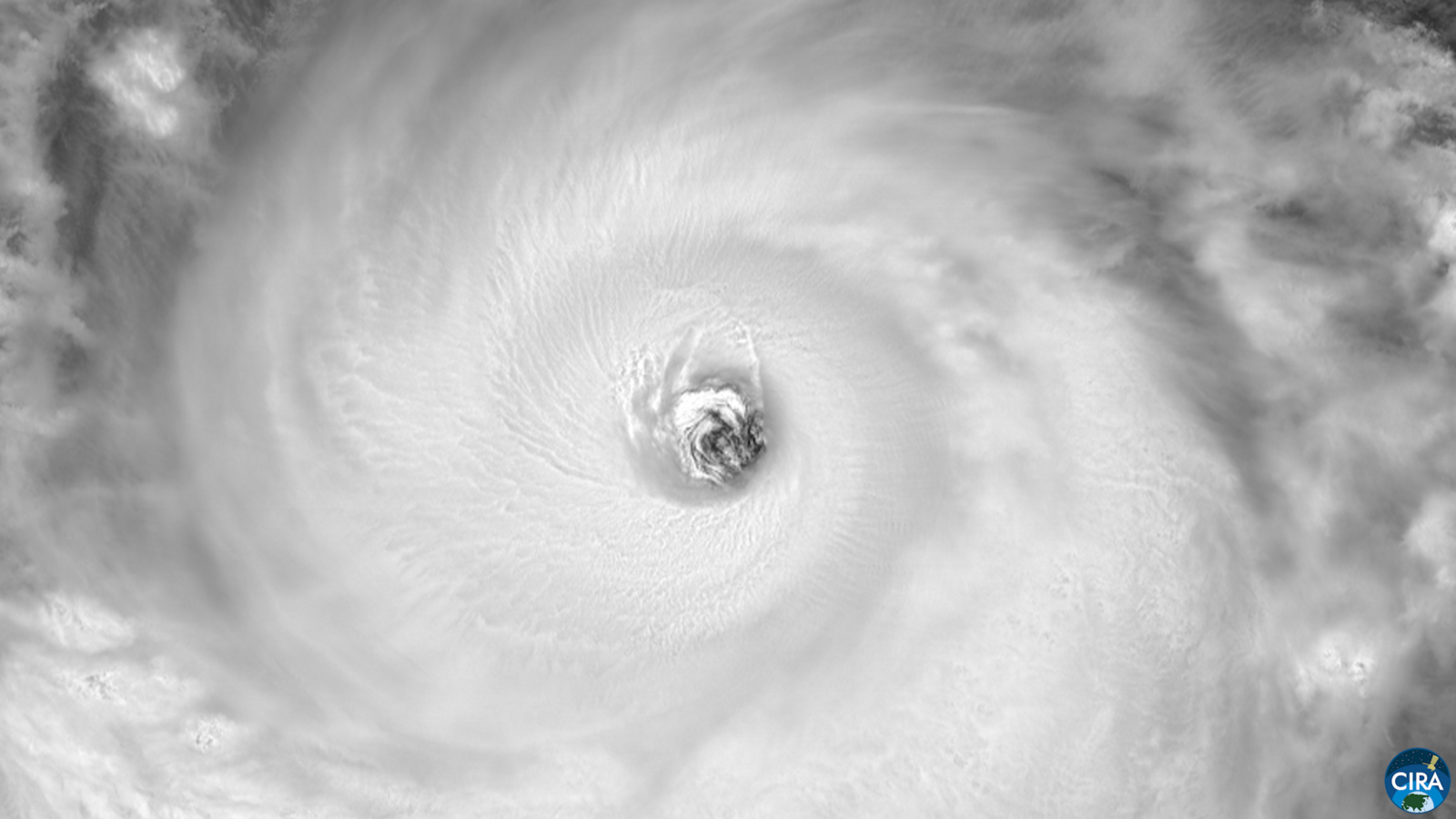
NOAA’s 2026 Atlantic hurricane outlook looks numerically calmer than recent years, but it still carries a core message for coastal economies: the difference between ‘forecast’ and ‘risk’ is paid for in preparedness.
NOAA says it is forecasting 8–14 named storms, with 3–6 hurricanes and 1–3 major hurricanes, and assigns a 55% chance of a below-normal season (with 35% near-normal and 10% above-normal), while emphasizing high confidence in its ranges (NOAA).
NOAA Administrator Neil Jacobs said the agency’s ‘rapid integration of advanced technology, including AI-based weather models, drones, and next-generation satellite data’ is aimed at delivering actionable forecasts to safeguard lives and livelihoods (NOAA).
The market-relevant takeaway is that lower storm counts do not necessarily mean lower losses. Coastal exposure continues to rise as housing and infrastructure densify near shorelines—and extreme rainfall and storm surge losses can overwhelm local budgets even without a record number of landfalls.
That is why the resilience conversation is shifting from response capacity to early warning systems and risk-informed investment. NOAA’s outlook release points readers to forecast improvements—models, satellites and aircraft reconnaissance—that shorten the time between detection and decision (NOAA).
In Brazil’s Santa Catarina state, the World Bank says flooding and landslides caused more than US$7.2 billion in economic losses between 1991 and 2023, and notes that the catastrophic 2008 floods left the city of Itajaí 90% underwater, with port disruptions estimated at US$35 million per day in lost revenue (World Bank).
Jorge Coarasa, the World Bank’s acting country director for Brazil, framed the economics in plain terms: “Continued job generation and local prosperity in the region will depend on sustainable strategies to adapt to growing flood risks,” he said (World Bank).
The World Bank-backed project description highlights flood-control infrastructure, expanded early warning systems, and tools to incorporate nature-based solutions alongside traditional approaches—illustrating how resilience has become a core economic strategy, not a seasonal afterthought (World Bank).
OceanVines exists to illuminate the inner sparks of every life we touch through our efforts in ocean conservation and education.
If the next decade’s ocean-and-coasts agenda is about anything, it is making risk legible: satellites and models that predict the hazard, local systems that warn in time, and coastal ecosystems and infrastructure that reduce the bill when the water arrives.
Together, we celebrate The Greatest Good.
#TheGreatestGood #OceanConservation #HumanityMatters #LIT #HurricaneSeason #CoastalResilience