NOAA’s West Coast ocean-acidification survey sets sail as scientists track summer extremes
July 22, 2026 · By John Ian Lau
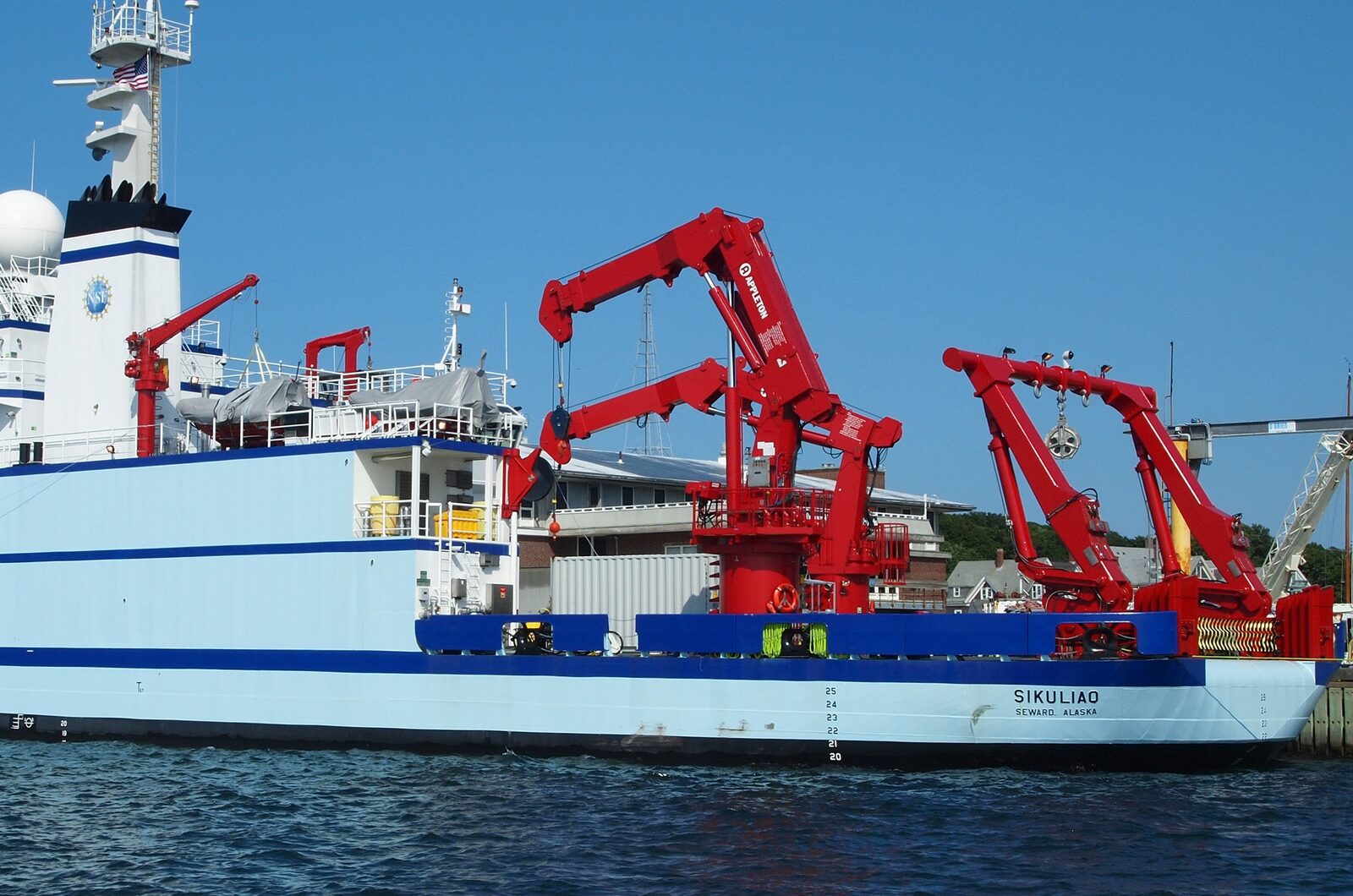
HONG KONG — NOAA scientists have launched a new West Coast ocean-acidification mission designed to sharpen the data that underpin everything from shellfish forecasts to climate-risk planning, at a moment when coastal extremes are increasingly the norm. The 30-day research cruise, known as WCOA 2026, departed San Diego aboard the University of Alaska Fairbanks-operated research vessel R/V Sikuliaq and will travel north to Washington, adding new observations to NOAA’s long-running monitoring of ocean acidification and related ecosystem impacts (NOAA PMEL).
For coastal communities and fisheries, “acidification” is not an abstract chemical shift. It can change how shellfish form shells, alter plankton communities, and interact with other stressors—especially low-oxygen events—during the summer season when upwelling and heat anomalies can compress habitat. NOAA’s Pacific Marine Environmental Laboratory (PMEL) says the WCOA effort is built to capture that multi-stressor picture by coupling ocean chemistry with biological and physical measurements (NOAA PMEL).
“Results from past WCOA cruises have provided novel insights into acidification rates and impacts in coastal and estuary habitats that provide our nation with rich fish and shellfish resources,” said Dr. Simone Alin, a supervisory oceanographer at NOAA/PMEL (NOAA PMEL).
The cruise’s design reflects a broader shift in how agencies and research institutions think about operational ocean intelligence: it’s no longer enough to measure a single variable. PMEL notes that WCOA 2026 will integrate high-quality carbonate chemistry measurements alongside biological sampling such as phytoplankton and zooplankton observations and environmental DNA, with the goal of strengthening models and forecasts of ocean conditions, including tools used on the U.S. West Coast (NOAA PMEL).
That emphasis on forecasting intersects with a second warning light: the ocean’s oxygen budget. In a separate development this month, a review led by scientists linked to UC San Diego’s Scripps Institution of Oceanography argues that the rapid loss of oxygen across aquatic ecosystems—from the open ocean to coastal waters and lakes—is pushing Earth toward an “unsafe space,” with consequences that may be difficult to reverse on human timescales (Scripps Institution of Oceanography).
“The health and stability of our planet depends on the health and stability of aquatic ecosystems, which need oxygen to function normally,” said Erica Ferrer, the review’s lead author and a postdoctoral scholar at UC Santa Barbara’s National Center for Ecological Analysis and Synthesis (Scripps Institution of Oceanography).
In practical terms, oxygen loss can shrink habitable zones for fish and invertebrates, reshape food webs, and shift where marine mammals can reliably find prey. The Scripps-led team frames deoxygenation as a stressor that can amplify other risks, including warming, nutrient pollution, and changes in ocean circulation that affect how interior waters are ventilated (Scripps Institution of Oceanography).
The WCOA 2026 mission is not an “oxygen cruise” per se—but it is designed to capture the chemistry-and-ecosystem linkages that determine whether a coastal system can buffer stress or tip into compounding extremes. PMEL says the cruise will also be complemented by additional coastal measurements intended to capture peak ocean-acidification and hypoxia season signals in the northern California Current System (NOAA PMEL).
For readers, the immediate takeaway is about timelines and accountability. Ocean conditions are changing faster than many management systems were designed for, and the data that inform decisions—fishery openings, hatchery planning, coastal adaptation, and ecosystem restoration—are only as strong as the measurement backbone. The ocean community is building that backbone in real time, cruise by cruise, dataset by dataset, to illuminate the inner sparks of every life we touch through our efforts in ocean conservation and education.
In the coming weeks, the WCOA teams will compile observations that NOAA describes as a “foundational benchmark” for monitoring and modeling along the West Coast (NOAA PMEL). Meanwhile, the deoxygenation review underscores why integrated measurement—chemistry, biology, physics, and ecosystems—matters: risks rarely arrive one at a time (Scripps Institution of Oceanography).
Together, we celebrate The Greatest Good
#TheGreatestGood #OceanConservation #HumanityMatters #LIT #OceanAcidification #Deoxygenation