WHOI warns stranded ships could spark a global ‘bioinvasion super-spreader’ event
July 25, 2026 · By John Ian Lau
By John Ian Lau
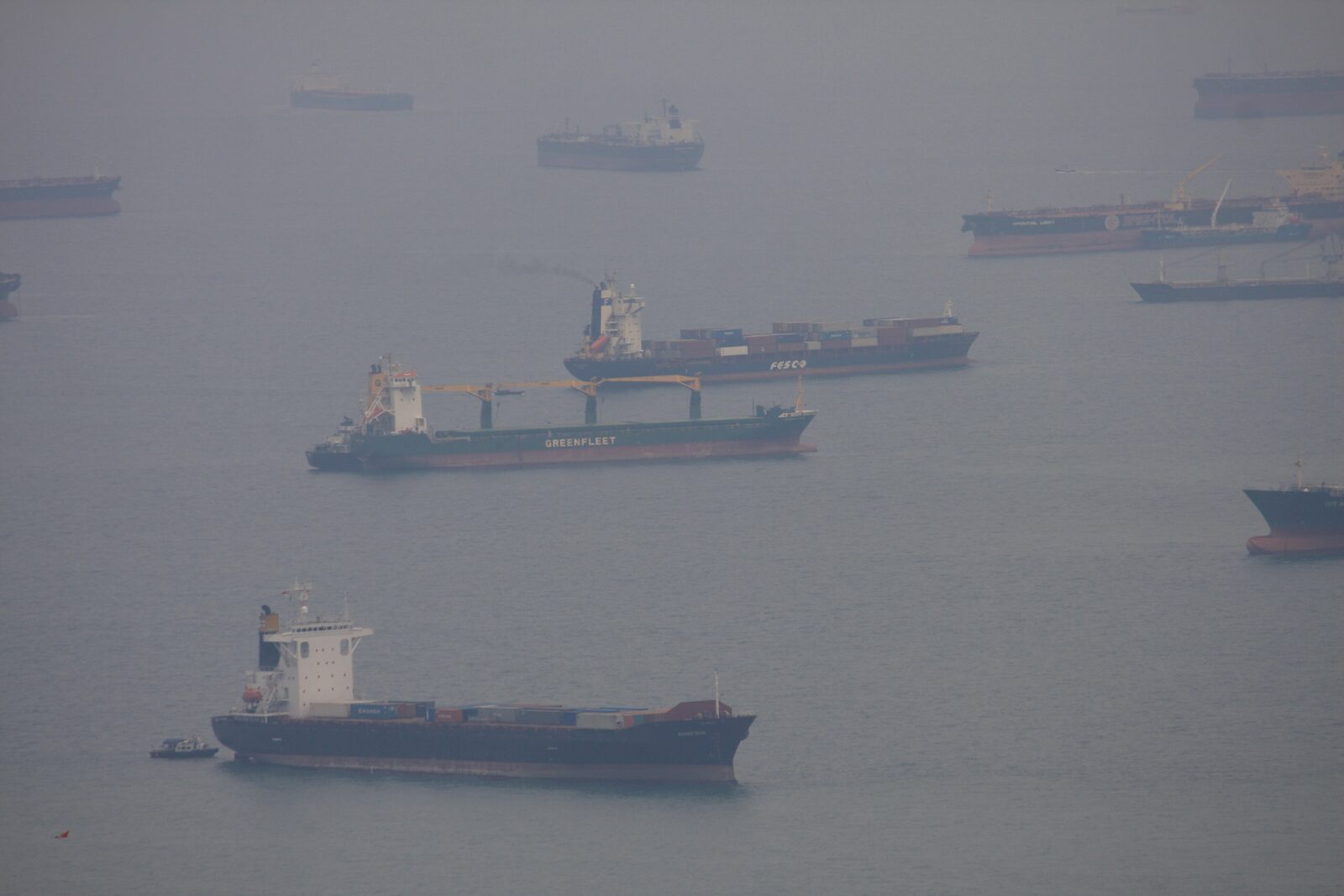
A disruption in one of the world’s busiest maritime chokepoints is now raising a very different kind of risk: not fuel prices or freight delays, but the unintentional transport of living stowaways. In a new analysis released by the Woods Hole Oceanographic Institution (WHOI), scientists warn that the months-long lay-up of commercial vessels following the closure of the Strait of Hormuz could set the stage for a large-scale marine invasive species event once ships resume normal routes.
The study, published in Biological Invasions, focuses on an unprecedented anchorage scenario: more than 1,500 ships idled for extended periods in warm waters, giving organisms time to build dense biofouling communities on hulls and in niche areas. Biofouling—layers of algae, barnacles, mussels and other invertebrates—can then travel thousands of kilometres and seed new ports when vessels re-enter service.
Carolyn Tepolt, a WHOI biologist who studies the evolution and spread of marine invasive species, framed the threat in blunt operational terms. “Marine invasive species have profound ecological and economic impacts on coastlines across the globe,” she said, “and are extremely difficult, if not impossible, to eradicate once they become established. This disruption to global shipping has many repercussions and has also more quietly created ideal conditions to spread warm-water species to new ports.” (WHOI)
For ports and coastal managers, the warning lands at a time when marine biosecurity is increasingly linked to day-to-day trade logistics. Once an invasive species establishes, costs can mount through impacts on aquaculture, fisheries, tourism, coastal infrastructure and ecosystem services. The problem is not theoretical: modern shipping has long been recognized as a primary pathway for marine invasions, but the analysis argues that the scale and duration of this particular lay-up create “unprecedented” conditions for a global biosecurity challenge.
In practical terms, a ship that sits at anchor for months can become a floating reef. When released back into international circulation, it may connect ports that would normally have limited biological exchange. That matters because many marine organisms can survive long voyages attached to hulls, and some can adapt quickly when they reach new habitats.
The policy and operational response is not simply about “cleaning ships” once the crisis passes. The authors call for stronger biofouling management by ship operators and regulators, expanded monitoring at higher-risk ports, better forecasting of vessel movements, and coordinated international response efforts (WHOI). The challenge is that these interventions are often fragmented: shipping schedules, inspection regimes, and port resources vary widely by country.
A parallel effort now unfolding on the U.S. West Coast underscores why scientists want better forecasting and monitoring, not just after-the-fact containment. On July 20, NOAA researchers embarked on the Ocean Acidification Program’s West Coast Ocean Acidification mission (WCOA 2026), explicitly to build a more comprehensive picture of how extreme events interact with ocean chemistry, biology and physics (NOAA PMEL). In the context of shifting currents and stronger temperature swings, the ecological ‘background conditions’ into which an invasive species arrives may be changing faster than managers can plan for.
“Results from past WCOA cruises have provided novel insights into acidification rates and impacts in coastal and estuary habitats that provide our nation with rich fish and shellfish resources,” said Dr. Simone Alin, Supervisory Oceanographer at NOAA’s Pacific Marine Environmental Laboratory (PMEL) (NOAA PMEL). The same shellfish-dependent coastal economies that are vulnerable to acidification and hypoxia can also be vulnerable to invasive species, especially when environmental stressors compound.
For Asia’s major hub ports—from the South China Sea to the Strait of Malacca—the message is less about a single chokepoint and more about how quickly a shipping shock can cascade into ecological risk. If the next disruption again strands fleets in warm, shallow gulfs or bays, biofouling could quietly accumulate at a scale that overwhelms routine inspection and cleaning capacity.
OceanVines supports efforts to strengthen ocean monitoring and practical biosecurity measures across the shipping system, aligned with our mission to illuminate the inner sparks of every life we touch through our efforts in ocean conservation and education.
Together, we celebrate The Greatest Good.
#TheGreatestGood #OceanConservation #HumanityMatters #LIT #InvasiveSpecies #Shipping