AI maps a global algae boom — and a new operating reality for coastal communities
August 4, 2026 · By John Ian Lau
By John Ian Lau
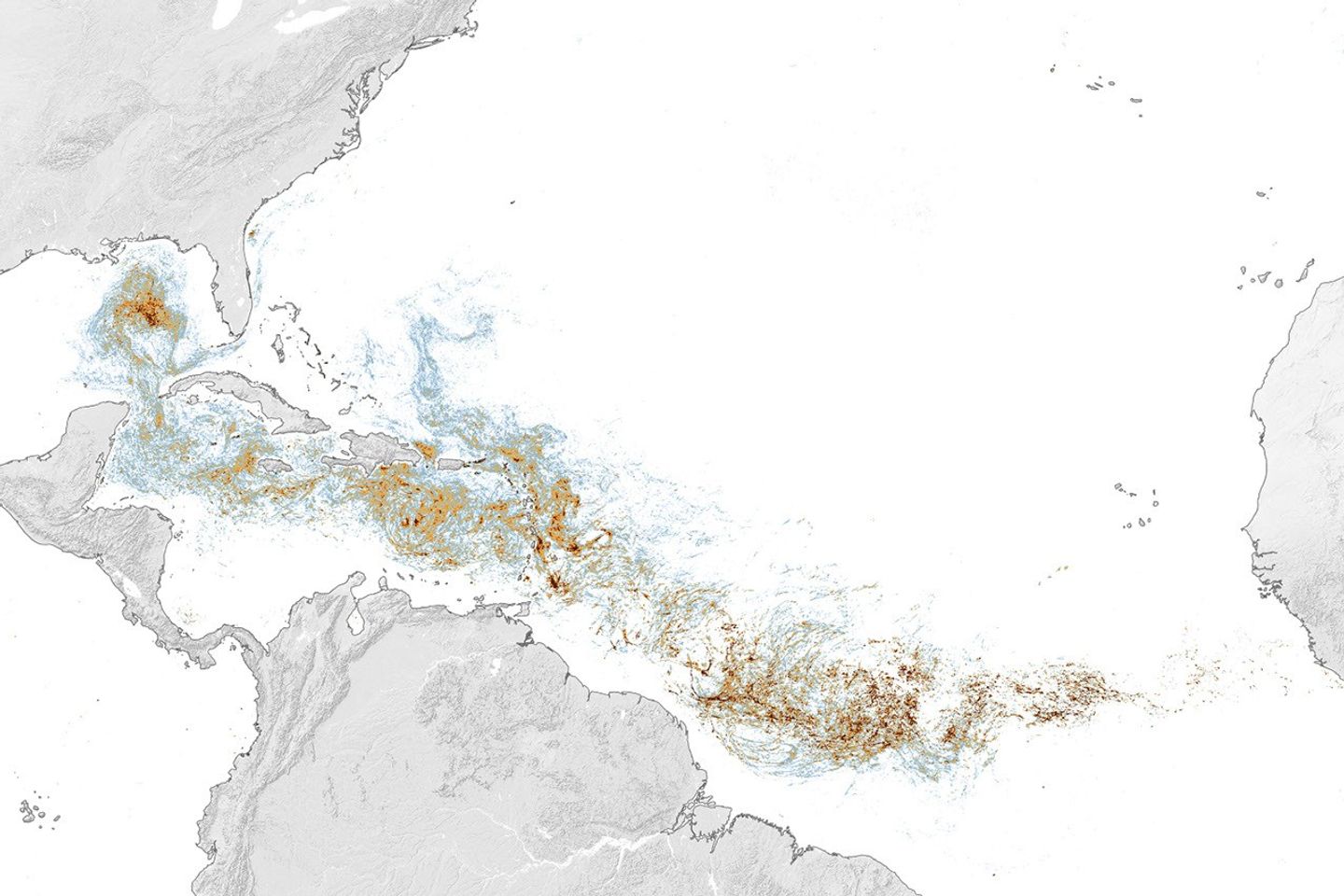
For years, floating algae was treated as a seasonal nuisance: a brown tide on a Caribbean beach, a foul-smelling cleanup bill, a satellite image that disappeared when the wind changed. A fresh report on a global study now gives the phenomenon a more consequential frame. Researchers used artificial intelligence to read 1.2 million satellite images and found that floating algae blooms expanded across the world’s ocean between 2003 and 2022 (ScienceDaily; Nature Communications).
The study covered 13 geographic zones and five algae categories, separating floating macroalgal mats from microalgal scum that can occupy less than one percent of a satellite pixel. The result is not simply a better map of sargassum. It is a picture of a changing surface ocean, with microalgal blooms growing at about 1% a year and macroalgae accelerating much faster in parts of the tropical Atlantic and western Pacific. In those regions, the researchers measured annual growth of 13.4%.
“While regional studies have been published, our paper gives the first global picture of floating algae, including macroalgal mats and microalgal scum,” said Chuanmin Hu, professor of oceanography at the University of South Florida’s College of Marine Science and the study’s senior author. But the operational lesson came from Lin Qi, an oceanographer at the National Oceanic and Atmospheric Administration’s Center for Satellite Applications and Research. “This work is impossible without the high-performance computing facility or the long-term collaborations between NOAA and USF,” Qi said.
The scale is difficult to ignore. The cumulative area covered by microalgal blooms reached 43.8 million square kilometres in the study’s record. The sharpest turning point for macroalgae came around 2010, followed by major blooms in the tropical Atlantic and East China Sea. The researchers point to a mix of human activity and natural variability: nutrient runoff can fertilize some waters, while warming and changing circulation can create more favourable conditions elsewhere. The causes will not be identical from basin to basin, which makes local monitoring as important as the global picture.
That monitoring is already becoming more precise. A NASA Earth Observatory assessment found that the Great Atlantic Sargassum Belt reached its second-highest year in the satellite record in June 2026. The Caribbean Sea and Gulf of America both hit regional records, while NASA’s PACE satellite added hyperspectral observations to the near-real-time picture. The map is valuable not because every patch is dangerous, but because a basin-scale signal can translate into very local consequences.
Offshore, sargassum is living infrastructure. NOAA says floating mats provide food, shelter and nursery habitat for hundreds of species, including mahi mahi, amberjack, juvenile sea turtles and seabirds. Onshore, decomposition can produce hydrogen sulfide, threaten public health, smother coastal habitats and disrupt tourism. NOAA’s Sargassum: From Sea to Shore programme therefore treats forecasting, community support and ecological protection as one connected response rather than separate problems.
The wider warning is that ocean change rarely arrives as a single headline. “The health and stability of our planet depends on the health and stability of aquatic ecosystems, which need oxygen to function normally,” said Erica Ferrer, a Scripps Oceanography alumna and postdoctoral scholar at UC Santa Barbara, in a Scripps Institution of Oceanography review on aquatic deoxygenation. Algae, oxygen, nutrients and climate are not independent files in a database; they are feedbacks in the same system.
For coastal governments, the investment case is practical: keep satellite records open, pair them with field observations, improve beaching forecasts, and fund the people who turn an alert into a safe response. For OceanVines, that is why we work to illuminate the inner sparks of every life we touch through our efforts in ocean conservation and education. Better data should not make the ocean feel remote. It should help communities act while there is still time.
Together, we celebrate The Greatest Good