Europe’s lionfish problem is becoming a test of rapid ocean response
August 16, 2026 · By John Ian Lau
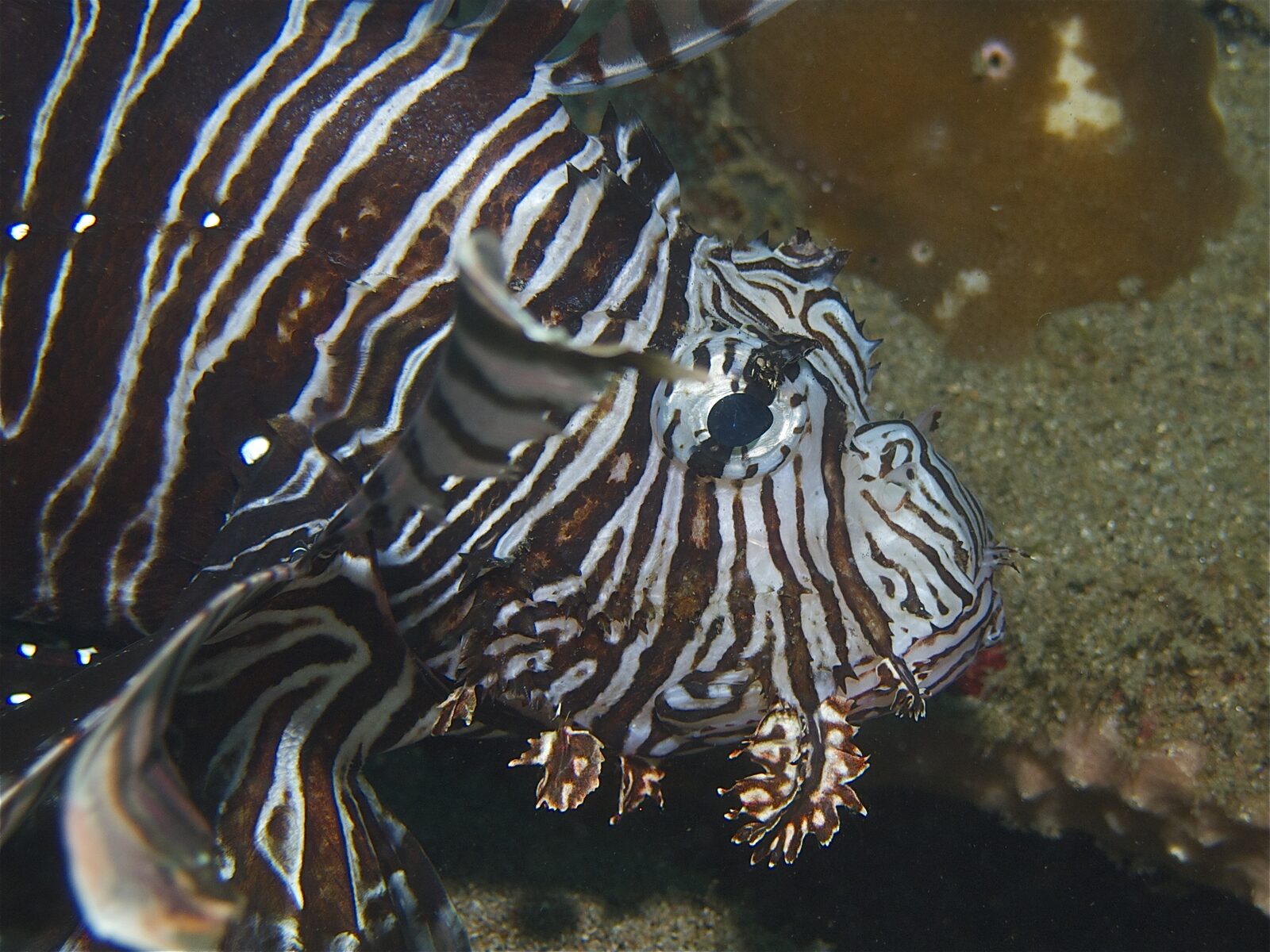
Europe’s latest marine-invasion story is not arriving as a distant warning. It is already moving through the Adriatic, where venomous lionfish are being removed from marine protected areas before a small presence hardens into a regional management bill. A fresh IUCN update frames the effort as a race against establishment: divers, scientists and protected-area managers in Croatia are working while there is still a realistic chance to prevent a larger invasion.
The operating model is early detection and rapid response. That sounds procedural, but it is an investment decision. Once an invasive predator becomes widespread, managers shift from prevention to permanent suppression, with recurring costs for monitoring, removal, enforcement and public safety. The IUCN-backed European Invasive Alien Species Rapid-Response Fund has begun with 20 projects across nine countries, offering fast-track grants of €10,000 to €50,000. Only some target marine ecosystems, but the logic travels across every coastline: spend earlier, when the geography is still containable.
Professor Helen Roy, co-chair of the IUCN SSC Invasive Species Specialist Group, put the asymmetry plainly: “Every invasive alien species that dominates today’s headlines began as a small population somewhere. By acting while new invasions are still confined to small areas, we have a genuine opportunity to prevent ecological damage that could otherwise persist for decades. These projects show why early detection and rapid response are among the most effective conservation tools we have.” Her point is less about a single fish than about the timing of public action.
Lionfish make the case because the Atlantic experience is a costly precedent. In a NOAA account of the lionfish invasion, the agency says the species entered the southeast Atlantic through the aquarium trade in the 1980s, then became established from North Carolina to South America, including the Gulf of Mexico. NOAA also notes that the fish expanded through most of the Caribbean in less than five years. Invasive predators do not need to occupy every reef to alter the economics of a coast; they only need to change what native fish, fishers and managers can reliably expect.
“Lionfish may prove to be one of the greatest threats of this century to warm temperate and tropical Atlantic reefs,” NOAA ecologist James Morris said in the agency’s lionfish web-portal announcement. “As the first marine reef fish invasive species to this region, lionfish are changing the culture of how reef managers view invasive species, the regional connectivity of marine reefs, and their vulnerability to marine invasions. With the lionfish web portal, coastal managers, scientists, and the public can work together to manage and understand the lionfish and its impacts on Atlantic reefs.”
That last sentence is the practical bridge to the Adriatic. The NOAA-backed National Invasive Lionfish Prevention and Management Plan makes prevention, early detection, rapid response and control explicit management goals. It also says lionfish are opportunistic predators and a safety risk because of their venomous spines. For protected areas, the operational question is therefore not whether to act, but whether the data, permits, divers and local reporting systems are ready before the window closes.
The IUCN says invasive alien species have contributed to 60% of recorded global extinctions and are estimated to cost Europe USD 28 billion each year through environmental damage, lost productivity and management. Those figures are not a price tag for the Adriatic alone. They are a reminder that biodiversity risk becomes financial risk when a small biological signal is ignored. For OceanVines, this is why we work to illuminate the inner sparks of every life we touch through our efforts in ocean conservation and education. Together, we celebrate The Greatest Good