Red tide turns fisheries management into an ecosystem stress test
August 25, 2026 · By John Ian Lau
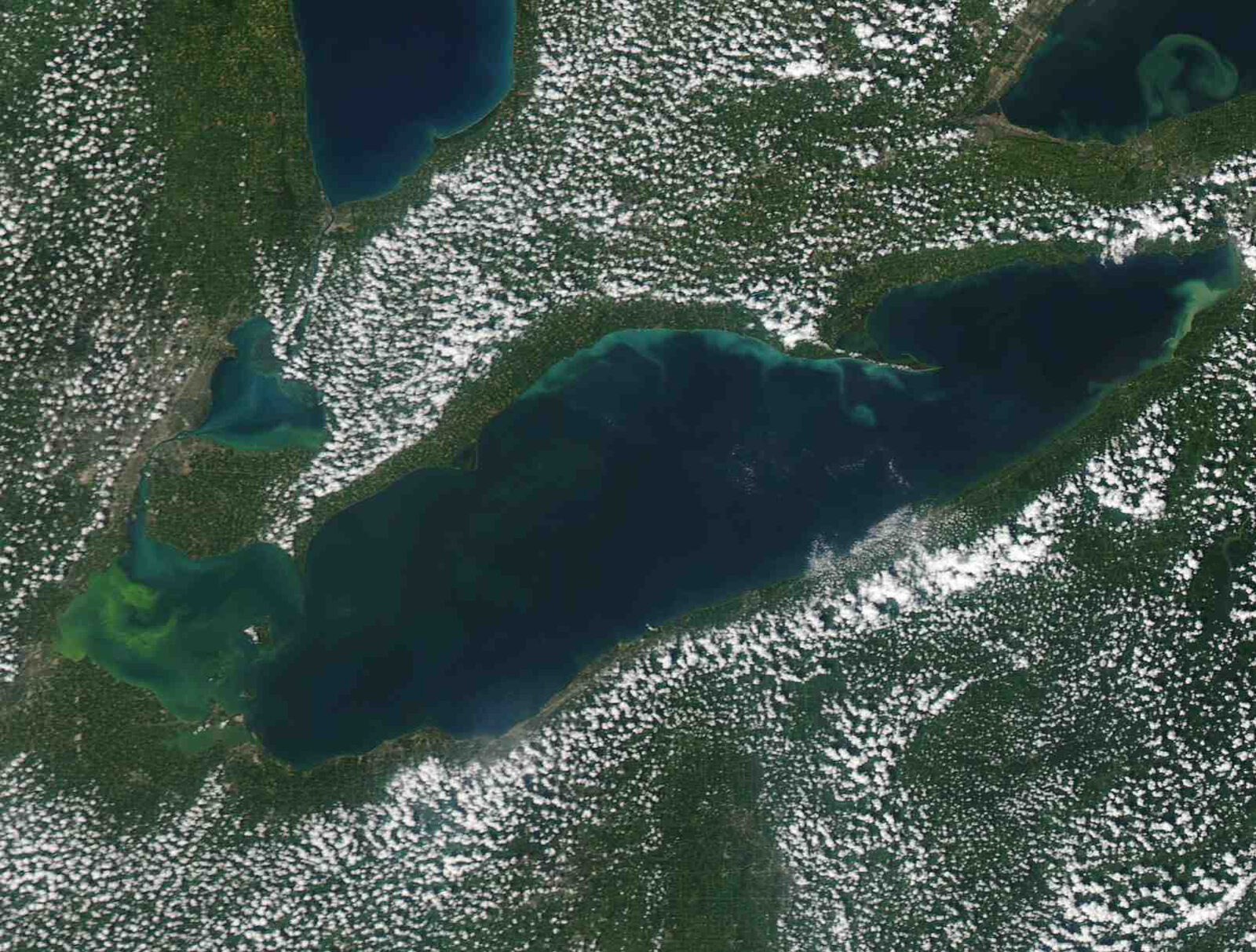
Florida’s red tide is no longer just a seasonal hazard for beaches and boats. It is becoming a stress test for the way fisheries are measured, managed and financed. In a new NOAA Fisheries review published August 24, scientists argue that blooms of the neurotoxin-producing alga Karenia brevis should be treated as ecosystem shocks, not simply as another variable in a single-species model.
The stakes are biological and economic. Red tides can kill gag and red grouper through toxins and oxygen loss, while mobile species flee affected waters and toxins move through food webs. NOAA says a 2017–2019 bloom cost Florida an estimated $2.7 billion in tourism revenue. The review also points to sharp management swings: red grouper quotas fell 61% in 2017–18, while gag quotas dropped 79% in 2022–23. For fishermen, those changes can arrive after the ecological damage has already happened, making investment and employment harder to plan.
The paper’s authors, led by Brendan Turley of the University of Miami’s Cooperative Institute for Marine and Atmospheric Studies with NOAA Fisheries, call for a more proactive playbook. That means testing alternative harvest-control rules, improving estimates of lethal and sublethal effects, and building mechanisms that let fishing businesses adapt when a bloom displaces effort. Emergency rules that ease quota leasing, temporary permit switches and marine-insurance mechanisms are among the options under discussion.
“Including red tide in the assessment models is a great advancement because the extra mortality due to red tides is no longer attributed to fishery mortality—which had unfairly penalized the fishermen,” said Brendan Turley, the paper’s lead author. The distinction matters: if fish that died from a bloom are counted as fishing removals, managers can underestimate the stock’s true condition and respond with restrictions that do not address the underlying shock.
NOAA’s Skyler Sagarese, a co-author and research ecologist at the Southeast Fisheries Science Center, made the management implication explicit: “Red tide cannot be effectively managed through a single-species approach alone,” she said. “An ecosystem-based fisheries management approach is critical to understand the wide-reaching effects of red tides on fish and fisheries, and ultimately to reduce hardships felt by coastal communities.” That approach would connect stock assessments with ocean conditions, habitat, prey, local ecological knowledge and the social costs borne by ports and households.
The case for that wider lens is reinforced by the Woods Hole Oceanographic Institution’s national harmful-algal-bloom strategy. Don Anderson, director of the U.S. National Office for Harmful Algal Blooms and a senior WHOI scientist, said the strategy offers “wide-ranging recommendations on next steps to increase the effectiveness of efforts to minimize HABs impacts on human health, the environment, and our economy.” Its priorities—observing blooms, improving models, understanding ecological impacts and addressing human dimensions—map closely to the gaps NOAA’s review identifies.
The practical lesson is that resilience cannot be added after a fishery has already absorbed a shock. Better bloom reporting from fishermen, citizen science, satellite observation and ecosystem models can improve the evidence before catch advice is set. More flexible rules can reduce the collateral damage without weakening conservation. And coordination between marine managers and land-based agencies can address water-quality pressures that sit outside the traditional fisheries toolbox.
OceanVines works to illuminate the inner sparks of every life we touch through our efforts in ocean conservation and education. Red tide makes that mission tangible: the health of a fish stock, a fishing family, a tourism worker and a coastal ecosystem is measured in the same water. Together, we celebrate The Greatest Good