NOAA survey finds nine new deep-sea sponge species in Alaska
September 13, 2026 · By John Ian Lau
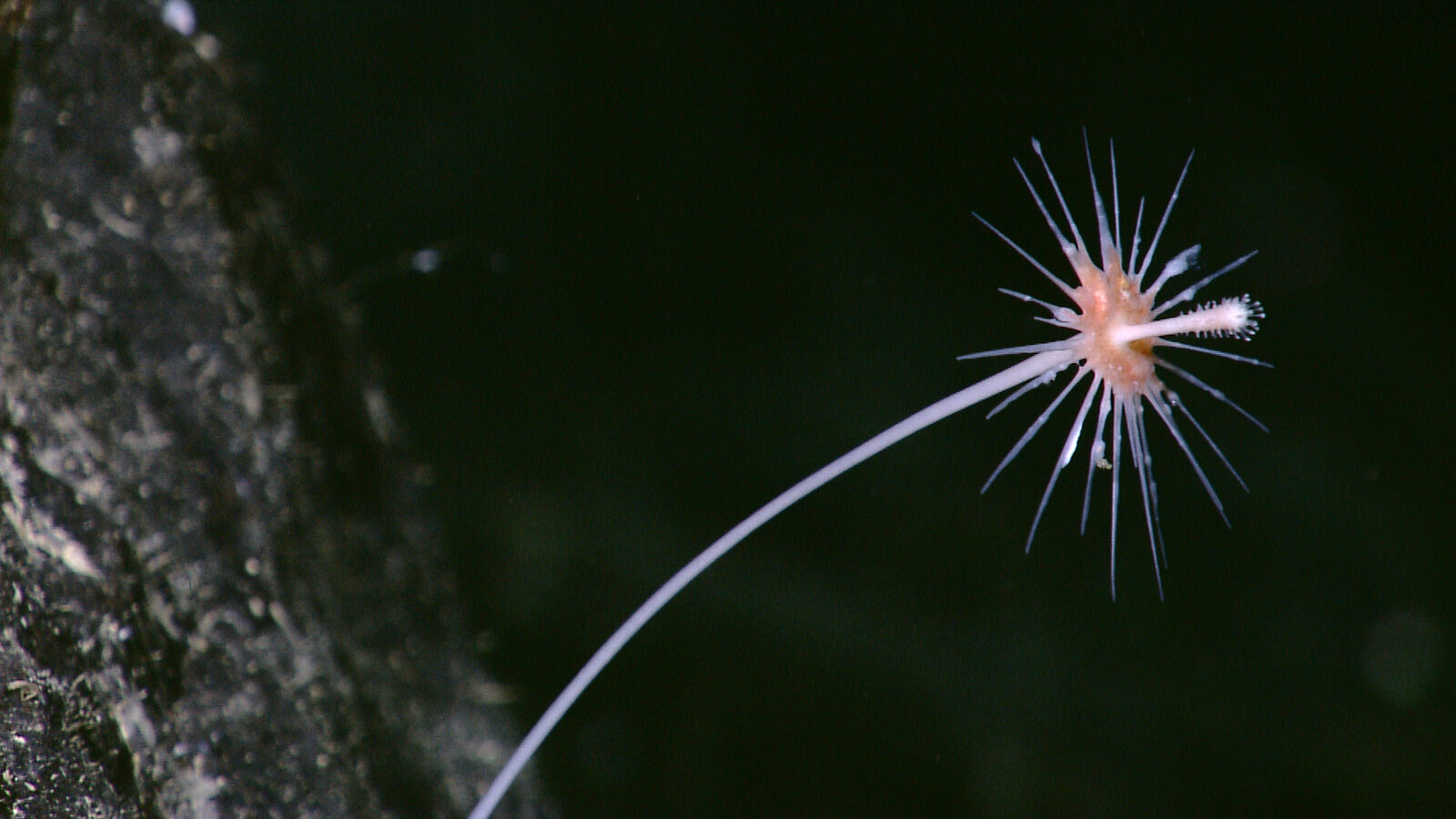
Routine fisheries surveys are often described in the language of stock assessments: catch, abundance, recruitment. In Alaska’s cold, deep waters, the same voyages are also rewriting the catalogue of life. Researchers have identified nine sponge species new to science from specimens collected in the Gulf of Alaska and the Aleutian Islands, according to a NOAA Fisheries account published September 10.
The specimens came from annual bottom-trawl surveys run by NOAA’s Alaska Fisheries Science Center. The team went back through samples gathered as far back as 2012, then described the species in two recent scientific papers. The result lifts the number of known sponge species in Alaska to 232 and reinforces the Aleutians’ standing as a hotspot for sponge biodiversity.
That is not just a taxonomic footnote. Sponges are architecture on the seafloor. They filter water, slow currents and create shelter where young rockfish, crabs and other animals can hide. Some sculpin lay egg masses inside their cavities, where flowing water supplies oxygen and chemical defenses help protect developing embryos. Dense sponge communities are therefore treated by NOAA Fisheries as essential fish habitat — a designation that links the patient work of naming species to the practical business of deciding which places should be protected from physical disturbance.
“Sponges are ecologically important,” said Sean Rooney, a fisheries biologist and co-author at NOAA’s Alaska Fisheries Science Center. “They aren’t plants, but like trees in a forest, they provide complex structure along the seafloor that creates habitat and refuge for commercially important fish and crabs.”
The discovery also expands what managers can see. Alongside morphology, the researchers built DNA barcodes for the new species and deposited them in GenBank. Those reference sequences can help identify life from environmental DNA in seawater — an approach that could eventually monitor biodiversity without repeatedly disturbing fragile habitats. Meredith Everett, a biologist at NOAA’s Northwest Fisheries Science Center, said the work was technically demanding because sponge tissue can contain foreign DNA and compounds that inhibit testing. “But despite the challenges, we successfully developed several new barcodes for Alaskan species,” she said.
Rooney’s point is less that Alaska’s sponge inventory is nearly complete than that it is still dramatically incomplete. Deep water is difficult to access, especially across rocky terrain that bottom trawls cannot reach. The finding is a reminder that a map of “known” biodiversity is also a map of sampling effort — and of the blind spots that can affect ecosystem-based fisheries management.
The timing matters beyond Alaska. At the Scripps Institution of Oceanography’s Center for Marine Biodiversity and Conservation, a 25th-anniversary programme this September is highlighting the same bridge between discovery, education and action. Stuart Sandin, the center’s director, said: “We all share a mission to bring together diverse insights and expertise to better manage and conserve our ocean environments.”
For OceanVines, that bridge is the point: to illuminate the inner sparks of every life we touch through our efforts in ocean conservation and education. A sponge may look still, but its habitat is busy with filtration, shelter, chemistry and exchange. The next conservation breakthrough may begin not with a charismatic species, but with a specimen waiting in a survey basket — and a scientist willing to ask what else is there.
Together, we celebrate The Greatest Good